Social Video Campaign Step by Step: 2026 Guide

Stella writes SwipeStory guides about AI faceless video creation, short-form video strategy, creator tools, and automated publishing workflows.
A social video campaign step by step is a structured, repeatable process for creating, launching, and measuring video content across social platforms to grow engagement and reach. The industry term for this process is a video content marketing workflow, and it covers everything from goal setting to post-launch optimization. Creators who follow a defined workflow consistently outperform those who produce videos without a plan. This guide walks you through every stage, from gear and scripting to distribution and data, so you can build campaigns that actually perform.
What does a social video campaign step by step actually require?
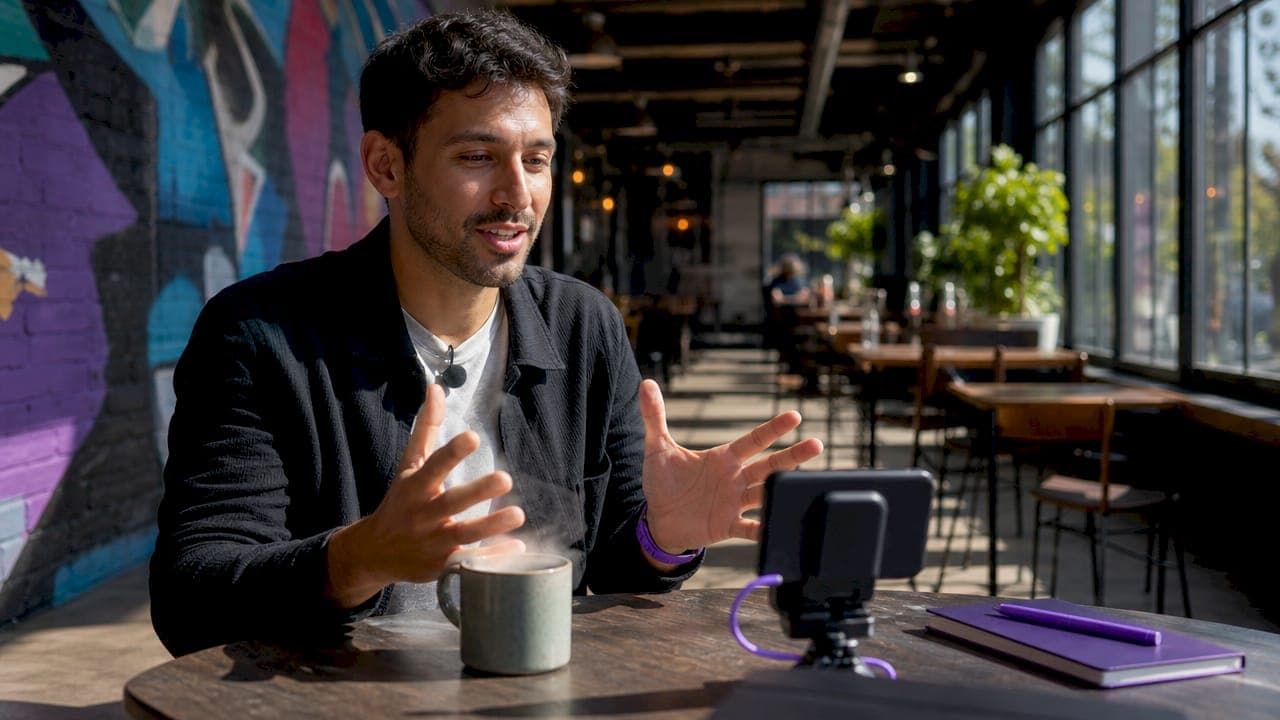
A successful video campaign rests on five pillars: clear goals, a defined audience, a production plan, platform-specific formatting, and measurable benchmarks. Skip any one of them and your results become unpredictable. The good news is that you do not need a studio budget to get started. Professional-quality social video is achievable with a total equipment budget under $80, covering a recent smartphone, a tripod, and a lavalier microphone. That combination covers the three biggest production variables: stability, framing, and audio.
Audio quality is the single biggest credibility upgrade for social video in 2026. A crisp lavalier mic on a mid-range phone beats a studio camera with built-in audio every time. Viewers forgive shaky footage far more readily than they forgive muffled sound.
What gear and tools do you need before filming?
Your minimum viable setup is simple and affordable. Here is what you need to get started:
- Smartphone (recent model): Any phone released in the last two years shoots 1080p or 4K vertical video natively.
- Tripod with phone mount: Keeps your frame steady and frees your hands. Budget models work fine.
- Lavalier microphone: A clip-on mic under $30 eliminates room echo and wind noise.
- Editing software: Free mobile editors handle cuts, captions, and music. AI-based platforms like Swipestory automate scripting, voiceovers, and rendering from a single prompt.
- Scripting and storyboard tools: A simple document or notes app works for scripting. Swipestory's script-to-video tool turns written scripts directly into formatted short videos.
| Tool category | Budget option | What it solves |
|---|---|---|
| Camera | Recent smartphone | Vertical 9:16 format, portability |
| Audio | Lavalier mic ($20–$30) | Clarity, credibility |
| Stabilization | Basic tripod ($15–$25) | Steady framing |
| Editing and production | AI video platform | Speed, captions, formatting |
| Planning | Notes app or script template | Consistency, repurposing |
Pro Tip: Record a 30-second test clip before your first real shoot. Play it back with headphones to check audio levels. Bad audio discovered after filming costs you a full reshoot.
What are the steps to plan and develop your video campaign?
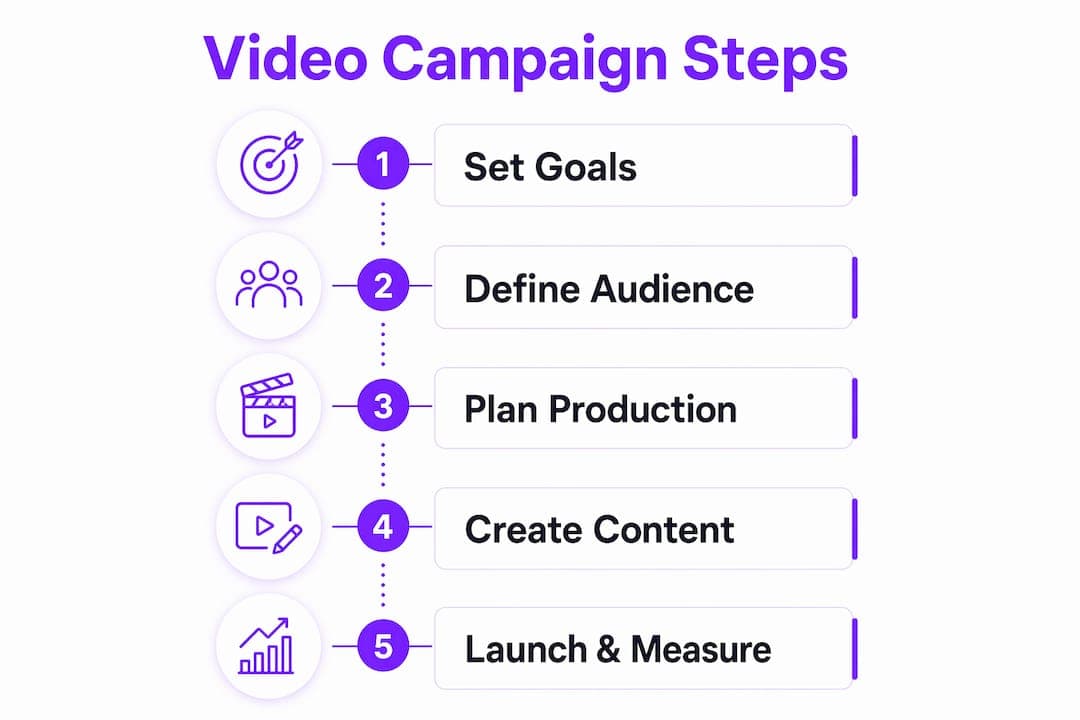
Planning is where most creators lose time. A clear pre-production process prevents wasted shoots and inconsistent messaging. Follow these steps in order:
- Set measurable goals. Define what success looks like before you film anything. Examples: 1,000 new followers in 30 days, a 70% video completion rate on TikTok, or 500 link clicks per week.
- Define your audience deeply. Go beyond demographics. Identify the specific problem your viewer has at the moment they open the app. Write one sentence that describes that person and their frustration.
- Build messaging pillars. Choose three to five core topics your channel will own. Every video maps to one pillar. This prevents random, disconnected content.
- Write modular script blocks. Structure each script with a hook, a body, and a call to action as separate blocks. Swapping hooks while keeping the body intact lets you test multiple angles without reshooting.
- Batch your concepts. Write five to ten hooks before you film anything. Filming multiple hooks for one core video body drastically improves output efficiency and reduces total filming time.
- Standardize your brief format. Use a five-part brief: audience, problem, promise, proof, and payoff. This structure keeps every video focused and makes scaling production straightforward.
Consistent posting of helpful, relevant video content builds audience trust faster than chasing one-off viral moments. Audiences move through four stages: discovery, interest, trust, and action. Your content plan should address all four, not just the top of the funnel.
Pro Tip: Write your hook last. Draft the body of the video first, then write three different hooks that lead into it. The best hook becomes your primary post; the others become test variants.
How do you produce and optimize video content for each platform?
Production decisions directly affect how far the algorithm distributes your video. The format rules are not suggestions. They are requirements.
The ideal social video length is 15–30 seconds, with the first 1–3 seconds determining whether a viewer stays or scrolls. That opening window is your only chance to stop the scroll. Use a visual pattern interrupt, a bold statement, or an unexpected sound to hold attention.
Here are the non-negotiable production standards:
- Vertical 9:16 format. Film and export in portrait orientation for TikTok, Instagram Reels, and YouTube Shorts.
- Hook in the first 3 seconds. The first 3 seconds must use a visual or audio pattern interrupt to stop passive scrolling.
- Dynamic open captions. About 80% of social videos are watched without sound. Hardcoded, dynamically timed captions keep your message accessible and improve retention.
- Clean native uploads. Platform algorithms penalize videos with cross-platform watermarks. Always export a clean file and upload it natively to each platform.
- Two-speed content model. Mix quick trend-driven clips with longer anchor content. A 40/40/20 content split works well: 40% trend-driven short clips, 40% helpful how-to content, and 20% conversion-focused videos.
Pro Tip: Film your core video once, then record three different hooks as standalone clips. Edit each hook onto the same body and upload all three as separate posts across different days. You get three pieces of content from one filming session.
What is the best way to launch and distribute your campaign?
Distribution is where many well-produced campaigns fail. Publishing great content at the wrong time, on the wrong platform, or without the right metadata wastes the production effort behind it.
- Schedule posts with a content calendar. Map out at least two weeks of posts before you go live. Consistent cadence signals reliability to both algorithms and audiences.
- Adapt hooks and captions per platform. TikTok rewards conversational, native-feeling text. YouTube Shorts benefits from keyword-rich titles and descriptive captions. Instagram Reels responds well to trending audio and hashtag clusters.
- Use platform-native features. Add keyword-rich titles on YouTube, relevant hashtags on TikTok and Instagram, and custom thumbnails on YouTube Shorts. These metadata elements directly affect discoverability.
- Match your call to action to your campaign goal. A brand awareness campaign ends with "Follow for more." A conversion campaign ends with a specific link or offer. Mismatched CTAs confuse viewers and reduce click-through rates.
- Track the right metrics from day one. Watch time, completion rate, and engagement rate are your primary signals. Vanity metrics like raw view counts tell you little about actual campaign health.
| Platform | Key metric to watch | Benchmark to hit |
|---|---|---|
| TikTok | Completion rate | Over 70% |
| YouTube Shorts | Viewed-vs-swiped ratio | Over 75% |
| Instagram Reels | Saves and shares | Higher than average likes |
| All platforms | Watch time per video | Above platform average |
How do you fix a social video campaign that is underperforming?
Most campaign problems trace back to one of three causes: a weak hook, poor retention in the middle of the video, or a mismatched call to action. Diagnosing which one is failing tells you exactly what to fix.
- Low completion rate. Rewrite your hook. If viewers drop off in the first three seconds, the opening is not compelling enough. Write five new hooks and test them on the same video body.
- Drop-off in the middle. Tighten your pacing. Cut any sentence that does not directly advance the core point. Most videos can lose 20% of their runtime without losing any value.
- Low click-through on CTA. Check whether your call to action matches the viewer's intent at that moment. A viewer watching a 15-second tip video is not ready to buy. Ask for a follow or a save instead.
- Watermarked reposts getting suppressed. Export clean files from your editing software and re-upload natively. Never download from one platform and repost to another.
- Captions missing or static. Replace static text overlays with dynamically timed open captions. Viewers watching on mute need captions that match the speech rhythm to stay engaged.
"The fastest way to improve a campaign is to isolate one variable at a time. Change the hook, keep everything else identical, and measure the difference over 48 hours."
Pro Tip: Run A/B tests on hooks and CTAs every two weeks. Keep a simple spreadsheet with hook text, posting date, and completion rate. Patterns emerge within four to six posts.
Key takeaways
A social video campaign succeeds when you combine clear goals, platform-native production, consistent posting, and data-driven iteration from the first post forward.
| Point | Details |
|---|---|
| Start with measurable goals | Define completion rate targets and follower benchmarks before filming anything. |
| Prioritize audio over camera quality | A lavalier mic under $30 improves credibility more than any camera upgrade. |
| Hook viewers in 3 seconds | Use a visual or audio pattern interrupt in the opening frame to stop the scroll. |
| Upload clean native files | Always export watermark-free videos and upload separately to each platform. |
| Test hooks systematically | Film one video body, write multiple hooks, and measure completion rates to find what works. |
What I have learned from watching hundreds of campaigns launch
The biggest mistake I see creators make is treating production quality as the main variable. They spend weeks on lighting rigs and color grading while their hooks are forgettable and their captions are an afterthought. The data does not support that priority order. Eighty percent of viewers watch on mute. The algorithm cares about completion rate, not cinematography.
The shift I have watched happen over the past few years is real. Audiences now actively distrust over-produced content on social platforms. A video that looks like it was filmed in a living room, with direct eye contact and a clear point, outperforms a polished studio production on TikTok and Reels almost every time. That is not an accident. It reflects how people use these platforms. They are looking for a person, not a broadcast.
The other thing I would push back on is the obsession with going viral. Viral moments are unpredictable and rarely build lasting audiences. Consistent, helpful content posted on a reliable schedule builds the kind of trust that converts viewers into followers and followers into customers. I have seen creators with 8,000 followers drive more revenue than accounts with 200,000 because their audience actually trusts them.
The workflow that works is simple: batch your hooks, film your core content once, upload clean files natively, and check your completion rates every week. Adjust one variable at a time. That process compounds over months in a way that chasing trends never does.
— Jesse
Swipestory makes the production side much faster
Executing a full video campaign workflow takes time, especially when you are producing content for multiple platforms at once. Swipestory is built specifically for this problem. The platform handles scripting, voiceovers, captions, and rendering with AI, so you can go from idea to finished video in minutes rather than hours.
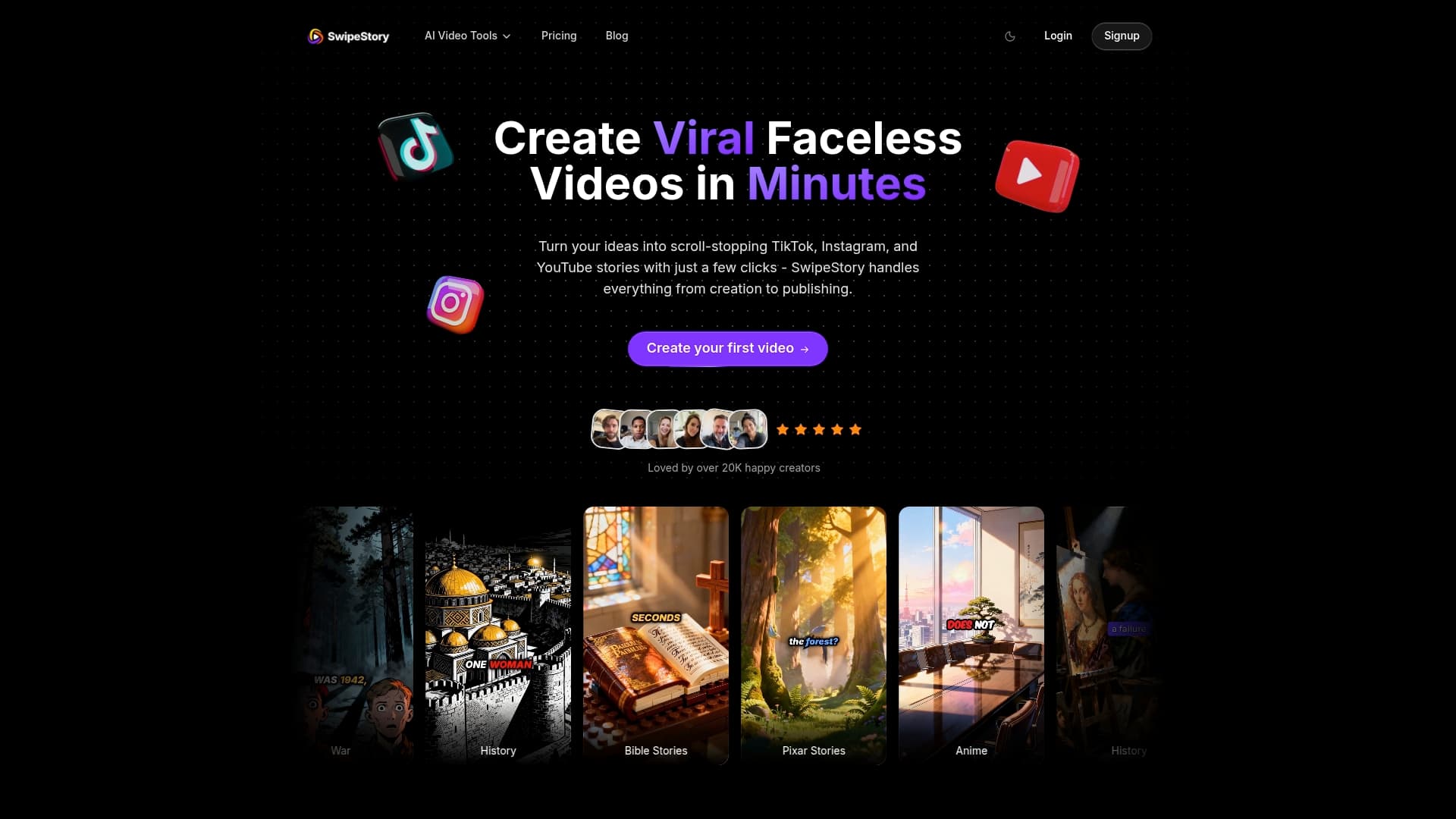
Swipestory has already powered over 60,000 short videos for creators across TikTok, Instagram, and YouTube. The AI video generator turns a written prompt into a fully formatted short video, complete with captions and audio. The short video maker handles platform-specific formatting automatically, so you never have to manually resize or reformat for each channel. If you want to test the full toolkit, the free AI video tools page gives you access to every generator without a paid plan.
FAQ
What is the ideal length for a social video campaign video?
The ideal length is 15–30 seconds for most social platforms. The first 1–3 seconds are the most critical for keeping viewers engaged.
How do I improve my TikTok video completion rate?
TikTok requires a completion rate above 70% for wider distribution. Strengthen your hook in the first three seconds and cut any content that does not directly serve the core point.
Why do watermarked videos perform worse on other platforms?
Platform algorithms detect and penalize cross-platform watermarks, reducing organic reach. Always export a clean file and upload it natively to each platform.
How often should I post social videos for a campaign?
Consistent cadence matters more than frequency. Two to three posts per week on a reliable schedule builds algorithmic trust and audience expectation faster than sporadic bursts.
Do I need expensive equipment to start a social video campaign?
A recent smartphone, a basic tripod, and a lavalier microphone cover everything you need for under $80. Audio quality is the most important investment, not camera hardware.
